
September 15, 2026
Educational Philosophy
Parent Resources
Join Us for an Open House Saturday, October 24, 10:00 AM - 1:00 PM Contact Us for Details


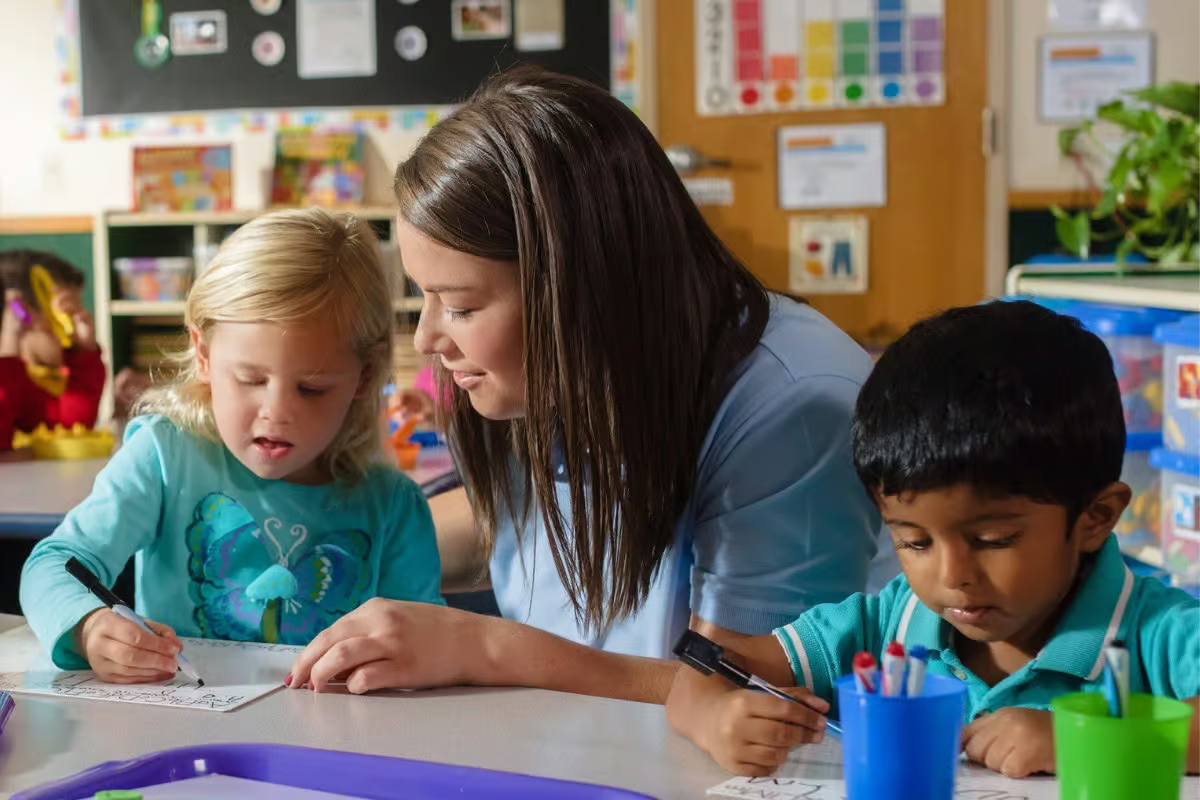
How do you instill independence in your child from a young age? Start by creating an environment that sets them up for success. Predictable routines, accessible materials, and opportunities to practice everyday skills help young children learn to do things on their own. At our schools, teachers use child-sized tools, low shelves, and visual schedules to encourage independence and help children take an active role in their day.
Here are simple ways you can nurture independence at home.
Start by breaking new tasks into small steps. Whether your child is learning to put on shoes, zip a coat, or clean up toys, show them how to do it first, then give them a chance to try.
Expect mistakes along the way! Shoes might end up on the wrong feet, or jackets might be upside down. Resist the urge to jump in and fix everything right away. Offer gentle guidance, celebrate their efforts, and let them practice. Making mistakes is an important part of learning.
Learning a new skill takes practice, and children need encouragement along the way. Praise their effort rather than focusing only on the result. Specific, positive feedback helps children recognize their progress and feel more confident trying again.
Try phrases like:
Small challenges can also help children practice new skills and see what they can do. Encourage your child to put away a few toys independently or try climbing on age-appropriate playground equipment. Celebrate their efforts with a high-five or a happy dance!
It can be hard to watch your child struggle with a puzzle piece, coat, or shoe. Before stepping in, give them time to work through the challenge on their own. Stay nearby so they know you are there if they need help.
You might say, “I’m right here if you need me. I know you can keep trying!” If your child needs help, reassure them that asking for support is OK. Show them how to complete the task, then give them another chance to try on their own.
Offering simple choices gives young children a safe sense of control over their day. Start with two options that work for you, allowing your child to make the final decision.
Try asking:
These small decisions help children practice making choices and build confidence in their ability to do things independently.
Predictable routines help children feel secure and learn what to expect throughout the day. Create simple, step-by-step picture charts for tasks like getting dressed, washing hands, or brushing teeth. As your child becomes familiar with each routine, encourage them to complete more steps on their own.
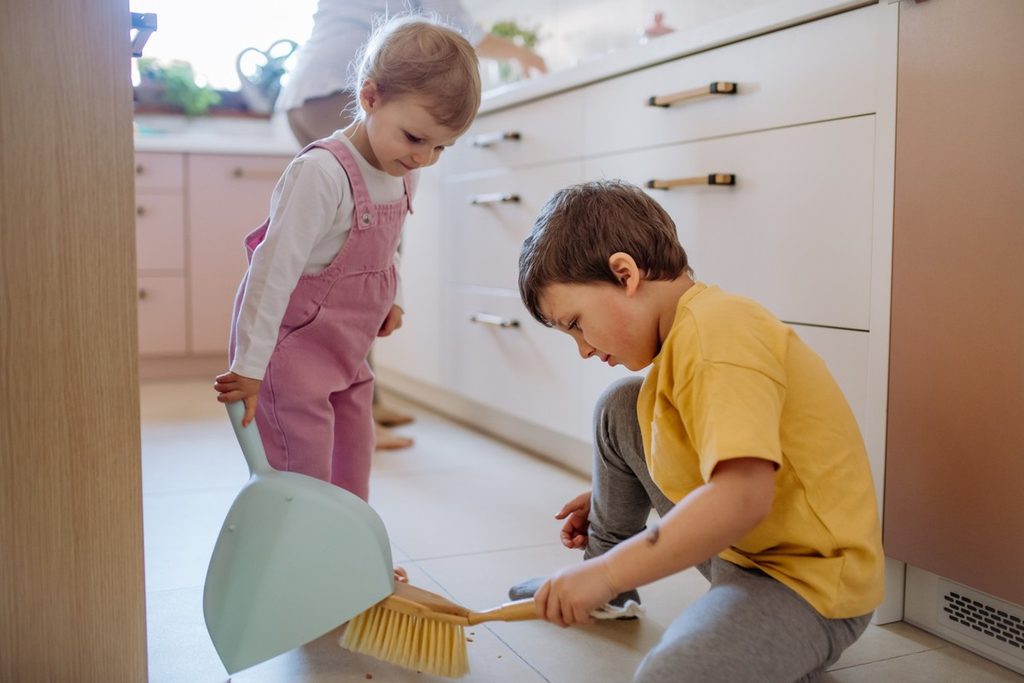
You can also make your home more accessible to little ones by:
When children can reach what they need and understand what comes next, they have more opportunities to practice independence every day.
Building independence takes time and practice. Give your child opportunities to try, make simple choices, and learn from mistakes. With patience and support, these everyday moments can help your child feel more confident in what they can do.
Want to see how our teachers encourage independence every day? Contact us today!
You may also like:
Independent Play: Why It Matters & How to Encourage It
When Not to Help Your Child: Fostering Independence and Confidence